

Wisdom Teeth Removal in Toronto: What to Expect
Wisdom teeth removal is one of the most common dental procedures performed for adults in Toronto. This guide explains why wisdom teeth are removed, what to expect during simple and surgical extractions, how impacted wisdom teeth are assessed, and what recovery involves — including when a coronectomy may be the right approach.
Wisdom teeth removal is one of the most common dental procedures, yet it often generates significant anxiety in patients who are facing it for the first time. Whether you're experiencing pain from an emerging wisdom tooth or have been advised by your dentist that extraction is necessary, understanding what the procedure involves and what recovery looks like can help ease your concerns. At Innova Dental in downtown Toronto, we specialise in wisdom teeth removal and provide clear, honest information to help patients make informed decisions about their oral health.
What Is Wisdom Tooth Removal?
Wisdom teeth removal is a procedure in which one or more of the third molars (wisdom teeth) are extracted from the jaw. Wisdom teeth are the last permanent teeth to erupt, typically appearing in the late teens or early twenties. Tooth extraction involves loosening the tooth from its socket and carefully removing it, along with the surrounding bone and soft tissue support. In some cases, the tooth may need to be sectioned into smaller pieces to facilitate removal. The procedure can be performed under local anaesthetic alone, or with additional sedation options to enhance patient comfort. Recovery typically takes one to two weeks, though complete bone healing continues for several months.
Why Wisdom Teeth Are Removed
Most adults have four wisdom teeth—one in each corner of the mouth. However, many people benefit from having them extracted for several reasons.
Lack of Space
The human jaw has become smaller over generations, and many people simply don't have enough space for their wisdom teeth to erupt properly. When a wisdom tooth tries to push through without adequate room, it can crowd nearby teeth or cause misalignment of your existing bite.
Pain and Infection
Partially erupted or impacted wisdom teeth can create pockets where bacteria accumulate, leading to infection and inflammation of the gums. This can cause significant pain, swelling, and difficulty cleaning the area. In some cases, cysts may form around an impacted tooth, which requires extraction to prevent bone damage.
Decay and Gum Disease
Because wisdom teeth are located at the back of the mouth, they're harder to clean properly with a toothbrush and floss. This makes them more susceptible to decay and periodontal disease. If a wisdom tooth is extensively decayed or surrounded by diseased tissue, extraction is often the most practical option.
Orthodontic Considerations
If you've had orthodontic treatment or are planning to have braces fitted, your dentist may recommend wisdom tooth removal to prevent post-treatment crowding.
Simple vs. Surgical Extractions
Not all wisdom teeth extractions are the same. The complexity of the procedure depends on whether the tooth has fully erupted and is accessible, or whether it remains partially or completely beneath the gum line.
Simple Extractions
A simple extraction is performed when the wisdom tooth has fully erupted through the gum and is visible in the mouth. The tooth is loosened using specialised instruments and removed whole. This procedure typically takes 15–30 minutes and can usually be performed under local anaesthetic alone. Discomfort during the procedure is minimal, though you'll feel pressure and vibration.
Surgical Extractions
A surgical extraction is necessary when the wisdom tooth is impacted—meaning it remains partially or completely embedded beneath the gum or bone. During a surgical extraction, your dentist or oral surgeon makes an incision in the gum to access the tooth. Depending on the tooth's position, it may be sectioned into smaller pieces for easier removal. Surgical extractions typically take longer (30–60 minutes) and often require stronger sedation for patient comfort.
Understanding Impacted Wisdom Teeth
An impacted wisdom tooth is one that cannot erupt normally due to lack of space, bone obstruction, or an unusual angle of growth. Impacted teeth are categorised by their position relative to the jaw bone and gum line.
Soft tissue impaction occurs when the tooth has penetrated the bone but remains covered by gum tissue. Partial bone impaction means the tooth is embedded in bone but partially visible. Complete bone impaction—the most complex scenario—occurs when the tooth is entirely enclosed in bone.
Impacted wisdom teeth often show no symptoms, but they can cause problems over time. They're more prone to decay and gum disease, and they may develop cysts or damage adjacent teeth. Your dentist may recommend extraction even if an impacted wisdom tooth isn't currently causing pain, to prevent future complications.
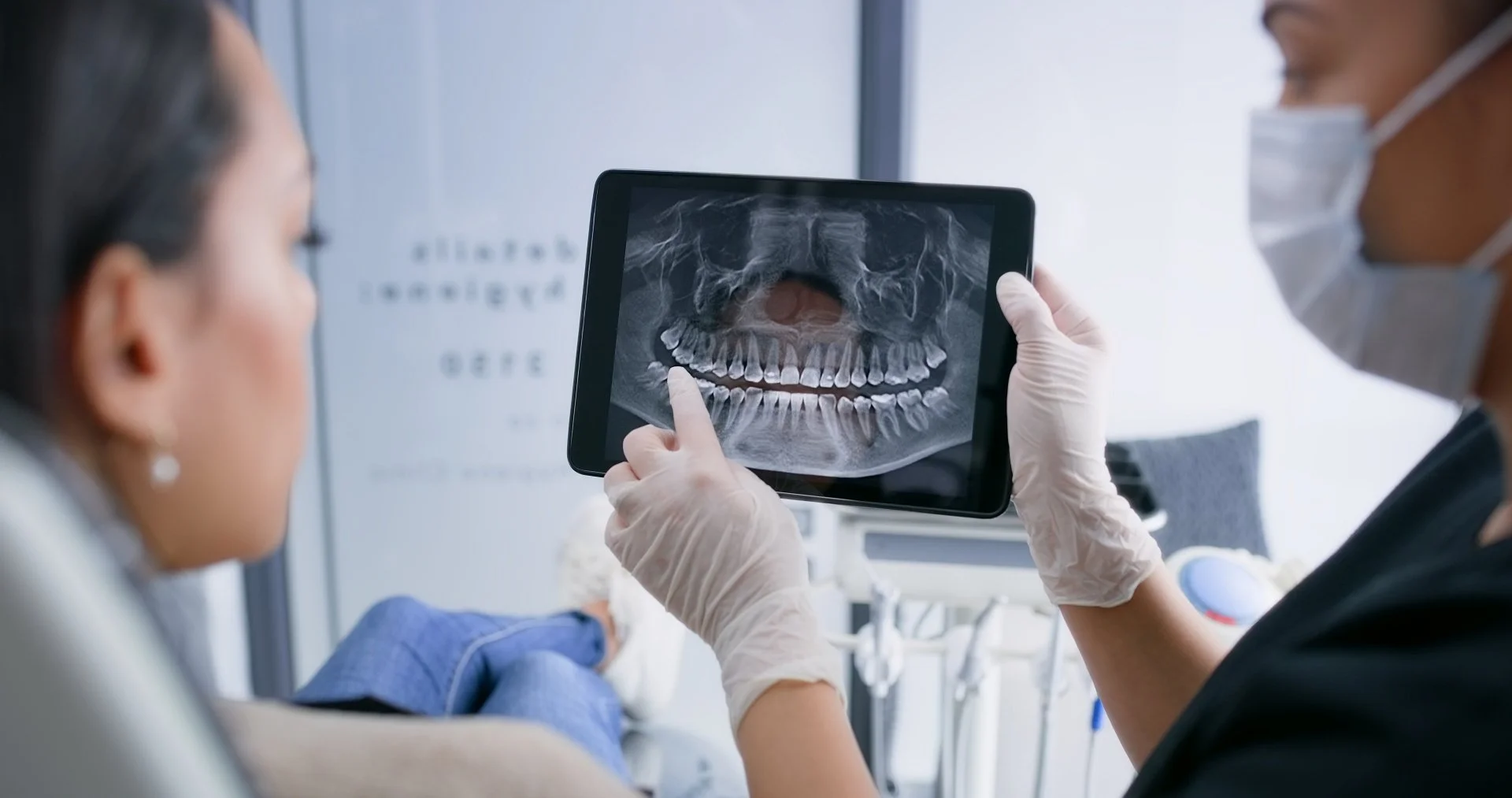
CBCT (cone beam computed tomography) imaging is often used to assess impacted wisdom teeth. This three-dimensional imaging technology allows your dentist to visualise the tooth's exact position, its relationship to nearby nerves and sinuses, and the bone density surrounding it. This information helps plan the safest and most efficient extraction approach.
Recovery and Aftercare
Recovery from wisdom teeth removal varies depending on whether you had a simple or surgical extraction. Most patients experience swelling, bruising, and discomfort for the first three to five days.
During the first 24 hours, avoid rinsing, spitting, or drinking through a straws, as these actions can dislodge the blood clot that protects the extraction site. Ice packs applied for 15 minutes at a time can reduce swelling. After 48 hours, warm salt water rinses (half a teaspoon of salt in a cup of warm water) can help keep the area clean.
Over-the-counter pain relief medications such as paracetamol or ibuprofen are usually sufficient for managing discomfort. Some swelling and bruising may persist for one to two weeks. Most people feel well enough to return to light activities within three to five days, though strenuous exercise should be avoided for at least a week.
Complete healing of the bone takes several months, but the socket will gradually fill in with bone tissue. Your dentist may recommend a follow-up appointment one to two weeks after extraction to ensure healing is progressing normally.
Sedation Options for Wisdom Tooth Procedures
For many patients, the anxiety associated with wisdom teeth removal can be as challenging as the procedure itself. At Innova Dental, IV sedation is available for wisdom tooth procedures, allowing you to remain relaxed and comfortable throughout your appointment. This option is particularly beneficial for surgical extractions or for patients with dental anxiety. You should arrange for someone to drive you home if you choose sedation, as you won't be able to drive immediately after the procedure.
Coronectomy: An Alternative Approach
In some cases, when a wisdom tooth is impacted very close to the inferior alveolar nerve (the main nerve in the lower jaw), your dentist may recommend a coronectomy rather than complete extraction. Coronectomy involves removing the crown (upper portion) of the tooth while leaving the root tip buried in the bone. This approach reduces the risk of nerve damage.
While leaving a root tip might sound concerning, research shows it's often harmless. The retained root is typically small and does not cause problems. However, coronectomy is not suitable for all situations and is only recommended when the risk of nerve injury from complete extraction is significant. Your dentist will discuss whether this option applies to your situation.
FAQs
How long does wisdom tooth removal take?
A simple extraction typically takes 15–30 minutes, whilst a surgical extraction of an impacted tooth may take 30–60 minutes or longer, depending on the tooth's position and complexity. The time varies based on whether you're having one or multiple teeth removed.
Will I experience pain during the procedure?
Local anaesthetic numbs the tooth and surrounding tissue, so you shouldn't feel pain during extraction. You may feel pressure, vibration, or hear sounds as the tooth is loosened and removed, but discomfort should be minimal. If you experience pain at any point, inform your dentist immediately—they can administer additional anaesthetic.
How much swelling should I expect after removal?
Swelling typically peaks around 48–72 hours after extraction and gradually subsides over one to two weeks. The amount of swelling varies depending on how complex the extraction was and how well you follow post-operative instructions. Ice application and elevation of your head can help reduce swelling.
Can I return to work after wisdom teeth removal?
Most people can return to light desk work within a few days, though the first 24 hours should involve complete rest. If your job involves physical labour or speaking extensively, you may need a few extra days. Avoid strenuous activity for at least one week to prevent complications such as dry socket.
This article is for informational purposes only and does not constitute dental or medical advice. For personalised guidance, consult a qualified dental professional.